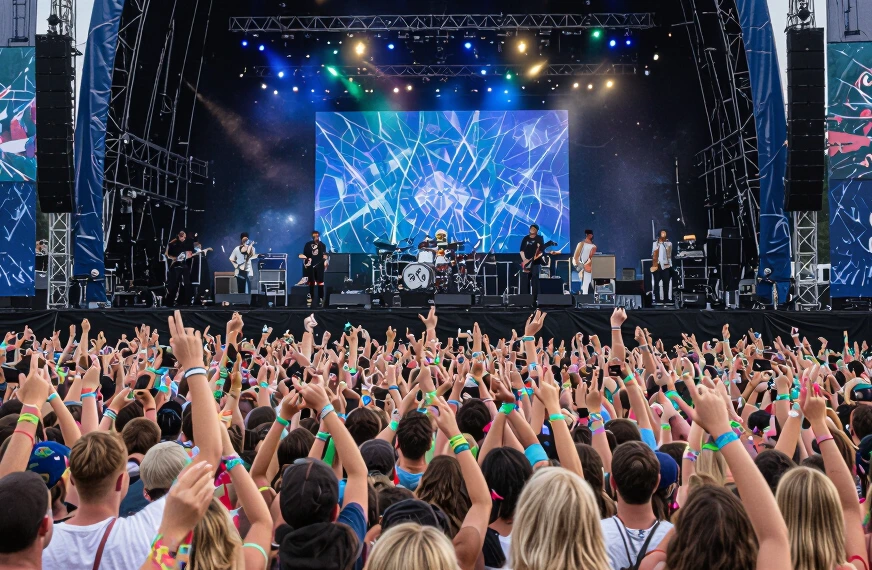
Festivals offer you a unique opportunity to immerse yourself in diverse cultures and experience unforgettable live performances. From the electric atmosphere of Coachella in California to the vibrant streets of Rio de Janeiro during Carnival, each festival showcases distinct musical styles and local traditions.
In this post, you’ll uncover some of the most iconic music festivals around the globe, where you can connect with fellow music lovers and discover new artists that will make lasting memories.
The Cultural Tapestry of Music Festivals
Music festivals serve as vibrant celebrations of cultural expression, intertwining diverse musical genres, art forms, and culinary traditions.
Each festival provides a unique opportunity to immerse yourself in the collective energy of artists and attendees, showcasing not only the music but also regional customs and heritage.
You experience firsthand how local culture and global sounds create an exhilarating atmosphere that transcends mere entertainment, forming a tapestry that reflects the essence of community and creativity.
How Festivals Reflect Regional Identities
Your presence at a festival often reveals the local identity and community spirit that shape the event.
For instance, New Orleans Jazz & Heritage Festival highlights the city’s rich musical legacy and Creole culture, while the Guca Trumpet Festival in Serbia celebrates traditional brass music.
These festivals become a living representation of the area’s history, customs, and musical evolution, forging strong connections between artists and attendees.
The Role of Local Music Scenes in Festival Creation
Local music scenes play a pivotal role in shaping festivals, influencing their lineup, atmosphere, and growth. Regions with robust music communities often provide fertile ground for festivals to blossom, as these events draw on homegrown talent and local sounds.
For example, the grassroots nature of the Bristol music scene birthed the renowned Bristol Sounds festival, where local bands are showcased alongside international acts, fostering a sense of pride and collaboration among musicians.
Emerging from local music scenes, festivals often reflect the collective passion and creativity of regional artists, establishing a symbiotic relationship between the two. Local musicians find a platform to showcase their talents, gaining exposure while contributing to the festival’s unique character.
For instance, the annual Edinburgh Festival Fringe not only highlights international performers but also emphasizes local artists, creating a rich blend of local flavor and global influence that underscores the festival’s identity.
Each year, this dynamic fuels growth, encouraging grassroots efforts that further enhance the connection between the community and its music traditions.
Environmental Impact: Behind the Backstage
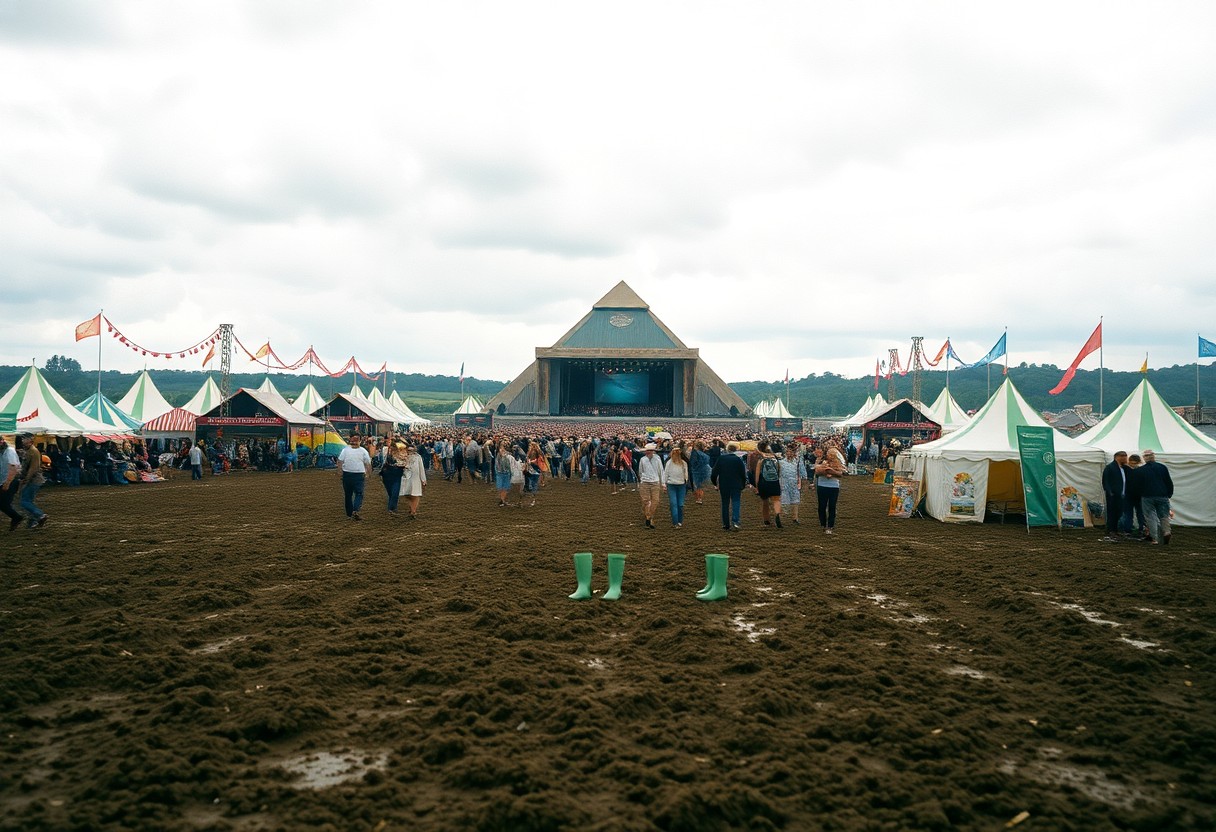
Music festivals generate significant waste and emissions, raising questions about sustainability. Organizers face pressure to mitigate their environmental footprints while providing unforgettable experiences.
Many festivals are beginning to prioritize eco-friendly initiatives, making strides toward greener practices. For a more in-depth look at festivals merging culture with responsibility, check out the Complete Guide to the Best Music Festivals Around.
Sustainable Practices Being Adopted
Festivals are increasingly adopting sustainable practices such as solar-powered stages, biodegradable materials, and dedicated recycling zones. You can find initiatives like composting food waste or offering discounts for attendees who use public transport or ride-sharing. These efforts reflect a growing awareness of the impact festivals have on the environment.
Challenges and Solutions in Waste Management
Waste management at festivals poses significant challenges, from food waste to single-use plastics. Festivals often struggle with ensuring proper disposal and recycling among large crowds, leading to overcrowded landfills. However, innovative solutions are emerging, such as on-site recycling teams and partnerships with local organizations aimed at improving waste diversion rates.
Your experience at a music festival can be both enjoyable and responsible. Errors in waste management often arise from confusion among attendees about recycling protocols or the absence of adequate facilities.
Solutions like clear signage, staffed recycling stations, and campaigns on sustainability can enhance awareness and engage your participation, ultimately leading to a more sustainable event.
Implementing comprehensive waste management strategies can help festivals divert up to 80% of waste from landfills, showcasing the power of joint effort in sustainability.
The Evolution of Festival Lineups
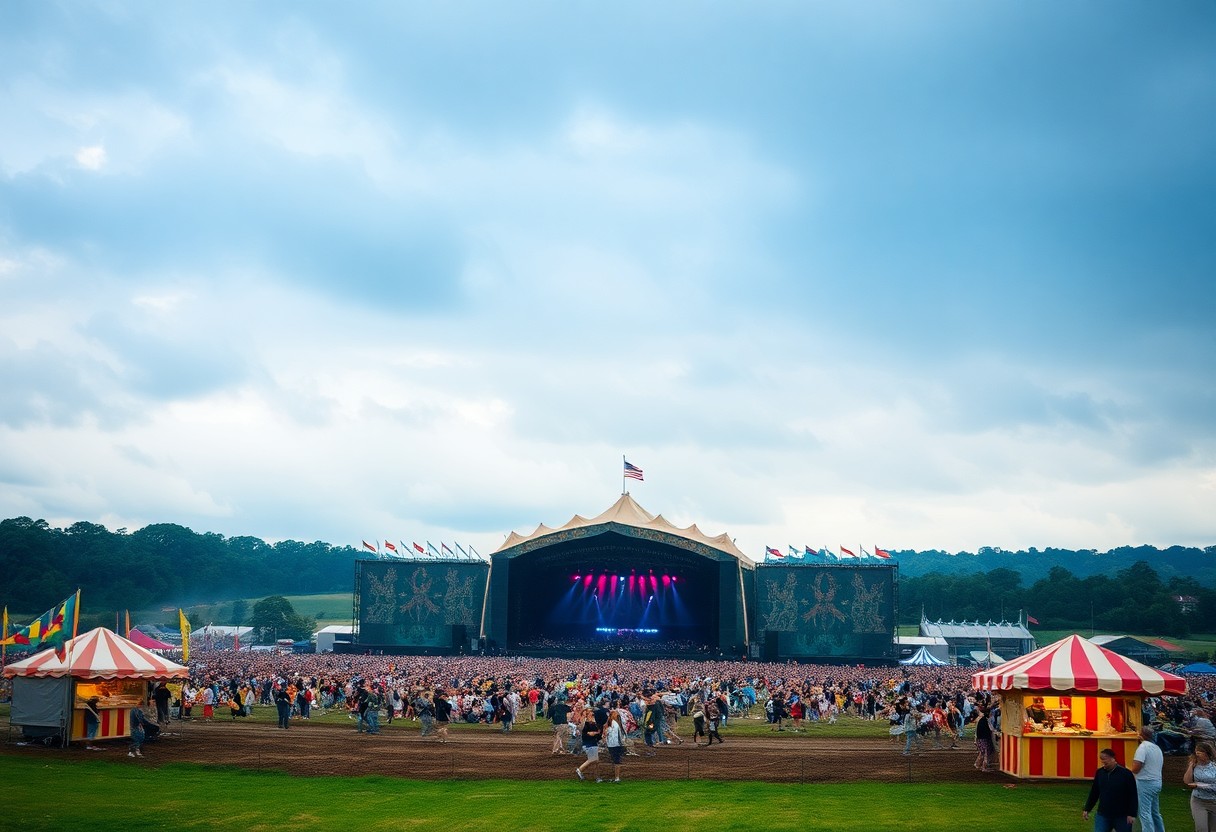
Over the decades, festival lineups have transformed from primarily genre-specific artists to an eclectic mix that showcases diverse sounds and collaborations. This evolution reflects the changing landscape of music consumption and cultural influences, leading to more inclusive experiences.
Festivals now serve as platforms for emerging talents alongside household names, creating an engaging tapestry of musical variety. You’ll find everything from pop and rock to hip-hop and electronic, all within the same event, inviting a broader audience and enhancing the festival experience.
The Shift from Genres to Diverse Collaborations
Festivals today embrace a mix of genres, breaking boundaries that once defined the music scene. You can expect to see hip-hop artists collaborating with rock bands or electronic DJs pairing with folk musicians.
This shift not only highlights the versatility of artists but also enriches your experience as you engage with an innovative musical dialogue that reflects contemporary society’s interconnectedness.
How Rising Artists Influence Established Acts
Emerging artists have the power to revitalize established acts, introducing fresh ideas and sounds. Collaborations between seasoned musicians and up-and-coming talent can lead to innovative performances that captivate audiences.
For instance, mainstream stars often seek the creative input of rising artists to stay relevant and adapt to evolving musical trends. This symbiotic relationship fosters experimentation, as seen in major festivals that regularly showcase local talent alongside well-known headliners, ensuring a dynamic and engaging atmosphere.
Established acts might invite rising artists to open their shows or collaborate on new material, creating a fusion of styles that resonate with both long-time fans and newer listeners.
For example, Billie Eilish has successfully collaborated with emerging producers and artists like Finneas, bringing innovative sounds into mainstream pop music.
By incorporating fresh perspectives, these collaborations not only enhance their artistic repertoire but also keep them in tune with contemporary tastes, ensuring they remain at the forefront of the ever-changing music scene.
Economic Boosts: The Festival Economy
The festival economy significantly enhances local economies, generating revenue through tourism, hospitality, and retail. As attendees flock to these events, restaurants, hotels, and shops see a boost in sales, resulting in increased job creation and tax revenues.
Festivals can draw hundreds of thousands of visitors, often transforming small towns into bustling hubs of activity and commerce for extended weekends. This influx not only supports local businesses but also encourages investment in infrastructure and services that benefit the community long term.
The Financial Ripple Effect on Local Communities
Your local community reaps substantial financial benefits from hosting music festivals. The increased foot traffic leads to enhanced revenues for diverse sectors, such as accommodations, restaurants, and small retailers.
These economic shocks don’t just uplift immediate sales; they stimulate local job markets, promoting part-time and seasonal employment opportunities.
Furthermore, local governments can enjoy augmented tax revenues that can be reinvested into community services, infrastructure improvements, and recreational programs.
The Business of Sponsorship and Branding
Corporate sponsorship plays a vital role in the financial viability of music festivals, driving funding and enhancing brand visibility. Brands leverage festivals to connect directly with engaged audiences, often resulting in lucrative partnerships that can cover event costs and elevate marketing efforts.
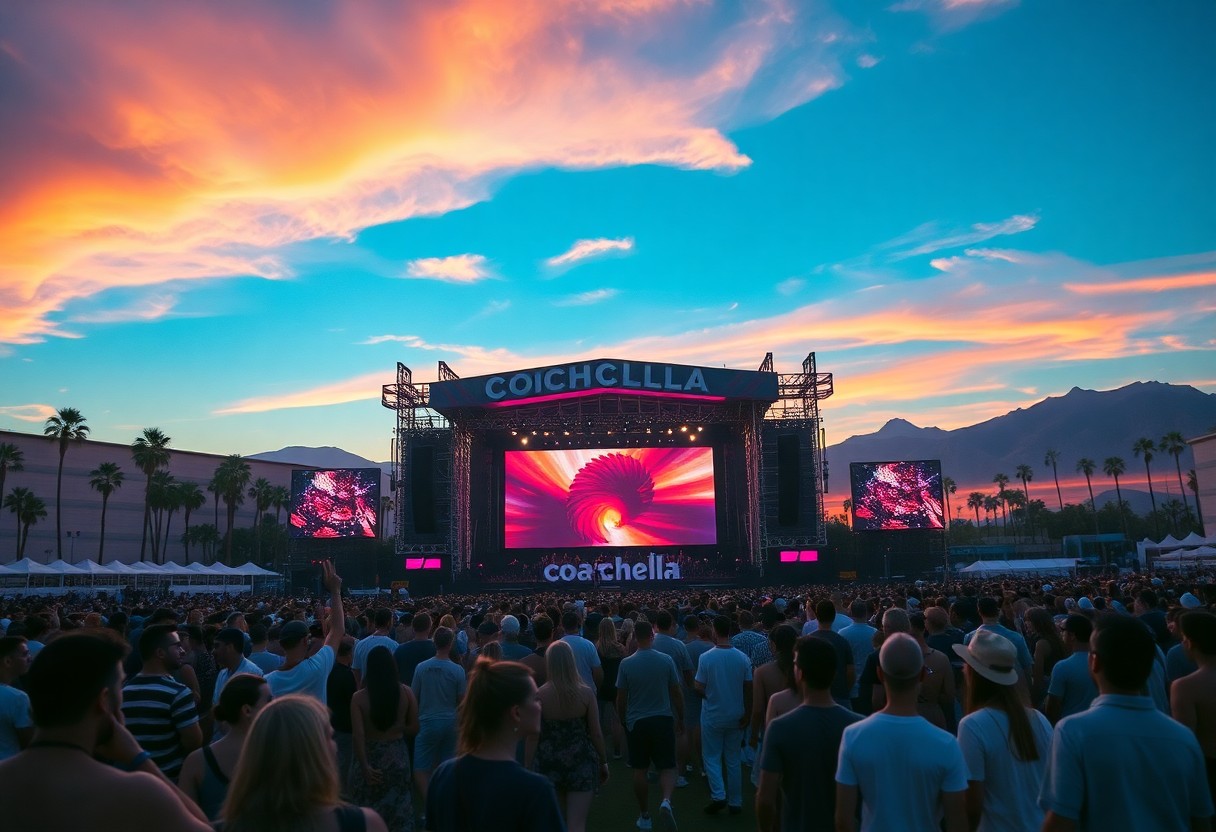
A prime example is Coachella, where brands like Heineken and American Express draw substantial attention, creating immersive experiences that resonate long after the music ends.
Brand activation at festivals often includes experiential marketing strategies, where companies create unique, interactive experiences aligned with their target demographics.
This direct engagement not only strengthens brand loyalty but also generates social media buzz, which can amplify marketing campaigns. For instance, brands that create Instagram-worthy installations at festivals benefit from organic promotion as attendees share their experiences online.
Consequently, many festivals are now designed with sponsorship opportunities in mind, accommodating brand needs through designated activation spaces and promotional activities, further intertwining the festival experience with consumer branding.
The Future of Music Festivals in a Digital Age
The landscape of music festivals is shifting dramatically as digital technologies reshape how you experience live music. Innovations such as augmented reality and blockchain are enhancing your festival experience, ensuring that access and engagement remain seamless, no matter where you are.
Upcoming festivals are embracing these technological advancements to create immersive atmospheres while accommodating diverse audiences, paving the way for a hybrid model that combines the best of physical and virtual realms.
Virtual and Hybrid Experiences: A Lasting Change
Virtual and hybrid music festivals have gained momentum, transforming how you enjoy live music. Events like Coachella’s virtual edition and Tomorrowland’s digital experience showcased a new paradigm, enabling you to participate from home while still feeling connected to the larger community.
Offering multi-camera views, backstage access, and interactive elements, these formats provide an unprecedented level of engagement that will likely continue even after physical events return in full force.
Evolving Audience Engagement Strategies
Engagement strategies have adapted significantly to cater to your preferences and behaviors in a digital-first world. Festivals now leverage social media platforms, mobile apps, and interactive content to create a vibrant community around events.
For instance, #StayHomeFestival encouraged artist-audience interaction through live streams and real-time fan feedback, drawing millions of viewers and generating substantial online buzz.
These practices not only foster a deeper connection but also keep you invested in the festival experience throughout the year.
Innovative audience engagement strategies enhance your festival journey by making it more interactive and personalized. For example, festivals are utilizing gamification techniques, allowing you to earn rewards for participating in challenges or sharing your experiences on social media.
This approach not only cultivates a sense of community but also fosters loyalty. Live polling during performances and artist Q&As further elevates the experience, ensuring that your voice shapes the festival atmosphere.
As demographic trends lean toward younger audiences who thrive on connectivity, these strategies will become ever more vital for engaging you effectively.
Summing up
On the whole, exploring iconic music festivals around the world offers you a unique opportunity to experience diverse cultures and vibrant communities through the universal language of music.
Each festival presents its own distinctive atmosphere, lineup, and artistic expression, allowing you to create lasting memories and connections. By immersing yourself in these global events, you enhance not only your appreciation for different genres but also your understanding of the cultural significance behind each celebration.
So, pack your bags and get ready to explore an unforgettable musical journey.
FAQ
Q: What are the most famous music festivals around the world?
A: Some of the most famous music festivals include Coachella in California, Glastonbury in the UK, Tomorrowland in Belgium, and Lollapalooza, which spans multiple countries. Each festival offers a unique experience in terms of music genres, atmosphere, and cultural significance.
Q: How can I prepare for attending a music festival?
A: Preparing for a music festival involves several steps:
-Purchase tickets in advance
-Plan your travel and accommodation
-Pack vitals like sunscreen, comfortable clothing, and portable chargers
-Familiarize yourself with the festival schedule and map
and set a budget for food, merchandise, and activities.
Q: What should I expect in terms of safety and facilities at music festivals?
A: Most music festivals provide safety measures such as first aid stations, security personnel, and clearly marked exits. Facilities typically include restrooms, food vendors, and hydration stations.
It’s advisable to stay with friends, be aware of your surroundings, and have a plan for emergencies.